Your Tinnitus Patients Finally Have Somewhere to Go
For the first time, you have a clinically validated, evidence-backed treatment you can confidently recommend that addresses the actual neurological mechanism of tinnitus, not just its symptoms. NeuroMonics is backed by 10 peer-reviewed studies with an 83% average success rate. The patient downloads the app, gets matched with a certified specialist, and completes treatment from home. No equipment to prescribe. No clinic time on your end.
A Real Answer for the Patients You Have Nothing For
Tinnitus affects an estimated 50 million Americans. Most of them have been told to learn to live with it. When they show up in your office, you have limited options: refer to an audiologist for masking devices, suggest CBT, or offer reassurance that it is not dangerous.
Neuromonics gives you a fourth option. A clinically validated acoustic desensitization protocol that targets the neurological mechanism of tinnitus, delivered entirely through a smartphone app with virtual clinician support. You refer the patient. We handle the treatment. You stay informed through the provider portal.
How Tinnitus Works and Why Most Treatments Fall Short
Tinnitus is not an ear condition. It is a brain condition that begins in the ear. When cochlear hair cells are damaged by noise, aging, or ototoxic medications, the auditory cortex compensates by amplifying its own neural activity. That amplified activity is the phantom sound your patient hears.
But the distress comes from two additional neurological processes. First, attentional filters that label the tinnitus signal as important and keep it in conscious awareness. Second, the limbic system's emotional response that triggers anxiety every time the tinnitus is noticed.
Treatments that address only the ear (masking devices, white noise, earwax removal) provide temporary relief but do not change the brain's underlying response. Effective tinnitus treatment must target all three neurological processes simultaneously.
The clinical implication
This is why NeuroMonics produces lasting results where other approaches fall short. The personalized acoustic stimulation reduces auditory cortex hyperactivity. The music-based delivery retrains the attentional filter system. And the carefully engineered program promotes desensitization of the limbic emotional response. All three processes addressed simultaneously, which is what 10 peer-reviewed studies and 20 years of research support.
Clinical Evidence: 83% Average Success Rate Across 10 Peer-Reviewed Studies
When a patient asks why they should trust your referral, you need an answer backed by evidence. Neuromonics has the most extensive clinical evidence base of any tinnitus treatment currently available. Ten peer-reviewed studies, 83% average success rate, defined as a 40% or greater reduction in Tinnitus Reaction Questionnaire (TRQ) score. The majority of studies were conducted by independent researchers. You can refer with confidence.
83%
Average success rate across 10 peer-reviewed studies
The majority of published studies conducted by independent researchers, not NeuroMonics.
👨⚕️
Veterans Affairs validated
96% success at the Hollywood VA, among the most rigorous real-world settings.
📊
Largest real-world study
470-patient private practice study, 92% success rate.
Independent verification
The majority of published studies conducted by independent researchers.
Veterans Affairs validated
96% success rate at the Hollywood VA.
Largest real-world study
470-patient private practice study, 92% success rate.
How to Refer a Patient to Neuromonics
01Identify the candidate
Neuromonics is appropriate for patients with subjective tinnitus causing moderate to severe distress, affecting sleep, concentration, emotional wellbeing, or quality of life. There are no contraindications for the acoustic therapy itself. Patients with pulsatile tinnitus should have vascular causes ruled out before referral.
02Direct them to the app
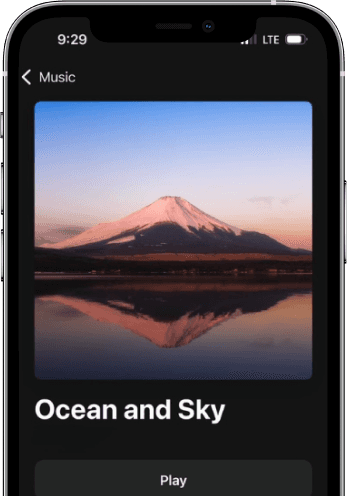
The patient downloads the Neuromonics app (iOS and Android) and completes the onboarding process. The app personalizes the acoustic stimulation to their specific hearing profile.
03Set expectations
Initial improvement is typically noticed within 2 to 4 weeks. Significant measurable improvement occurs at 3 to 6 months of daily use. The patient uses the app for 2 to 4 hours daily during the active treatment phase, reducing to maintenance use as neurological desensitization consolidates.
04Monitor and support
Track patient progress through the Neuromonics provider portal. Patients who combine Neuromonics with CBT for tinnitus distress show the strongest outcomes. For patients with co-occurring hearing loss, hearing aids should be prescribed concurrently.
Patients with subjective tinnitus causing moderate to severe distress — affecting sleep, concentration, emotional wellbeing, or daily functioning. Patients with pulsatile tinnitus should have vascular causes ruled out before referral.
NeuroMonics matches your patient with a certified, trained audiologist in our network. The audiologist conducts a virtual assessment, fits the patient with their personalized acoustic program, and guides them through the two-stage treatment protocol entirely online.
We recommend patients first see their own physician or audiologist for an initial assessment and audiogram. After that, the entire NeuroMonics protocol is administered virtually — all appointments, counseling, and treatment adjustments are conducted online. No required in-person visits with NeuroMonics.
TRT relies on broadband noise and natural habituation over 12–24 months with extensive clinic time. NeuroMonics achieves the same success rate in approximately a third of the therapy time, using personalized music-based acoustic stimulation that targets all three neurological processes simultaneously.
83% of patients achieve a clinically significant 40% or greater reduction in Tinnitus Reaction Questionnaire score. The biggest gains occur in the first two months, with continued improvement thereafter. Active treatment runs 6–8 months followed by a maintenance phase.
There are no known contraindications to the acoustic therapy for subjective tinnitus. The treatment is non-invasive and non-pharmaceutical. Patients with pulsatile tinnitus should have vascular causes excluded first. Patients with significant anxiety or depression may benefit from concurrent psychological support.
Elevated anxiety can reduce treatment efficacy if not addressed. For patients with significant psychological comorbidities, concurrent referral to a psychologist or CBT specialist is strongly recommended alongside the NeuroMonics protocol.
Yes. Ten peer-reviewed studies across US and Australian medical centers involving 1,033+ patients demonstrate 83% average success rate — defined as a 40% or greater reduction in TRQ score. Seven of the ten studies were conducted by independent researchers. The Hollywood VA study achieved 96% success.
Resources for Your Practice
Healthcare Professional Referral Guide
Clinical referral criteria, patient identification checklist, the 26-week protocol overview, and step-by-step referral instructions for your team.
For patients whose primary goal is achieving long-term, lasting relief from tinnitus disturbance, Neuromonics should be considered a first-line treatment.
91%
of patients achieve significant reduction in tinnitus disturbance (Davis, Paki & Hanley, Ear and Hearing 2007)
97%
would recommend Neuromonics to others
Half the clinic time of TRT
with comparable success in a third of the therapy time
Give your tinnitus patients an answer
Neuromonics is the only clinically validated neurological desensitization program available as a consumer app. 83% average success rate. 10 peer-reviewed studies. 20 years of evidence. Free for your patients to try.
Our proprietary algorithms modify music to account for individual hearing profiles, providing targeted stimulation to the auditory system that promotes neurological desensitization to tinnitus.
Our proprietary algorithms modify music to account for individual hearing profiles, providing targeted stimulation to the auditory system that promotes neurological desensitization to tinnitus.
Our proprietary algorithms modify music to account for individual hearing profiles, providing targeted stimulation to the auditory system that promotes neurological desensitization to tinnitus.